


1. Suede‑like and Artificial Leather Fabrics
Knitted, woven or non‑woven fabrics made of microfiber are subjected to sueding or napping, impregnated with polyurethane solution, dyed and finished to produce suede‑like or artificial leather fabrics. Such fabrics are lightweight and soft with smooth surface texture, water‑resistant and breathable, featuring high strength and good dimensional stability.
2. Super‑high‑density Water‑resistant and Breathable Fabrics
Super‑high‑density fabrics manufactured from microfiber are light‑weight with excellent draping property and full, soft hand‑feel despite their high density. Even without coating or water‑proof finishing, they deliver outstanding water resistance and are lightweight and foldable. After polyurethane impregnation and sueding, peach‑skin‑like fabrics can be obtained. High‑density fabrics for suits and jackets feature capillary wicking effect to quickly dissipate human sweat, making them suitable for sportswear, ski suits, undergarments and other apparel. When the fabric density reaches 16 000‑30 000 threads per cm², the fabrics achieve both water‑proof and wind‑proof functions, and can be made into functional garments such as windbreakers, raincoats and fishing suits.
3. High‑performance Cleaning Cloths
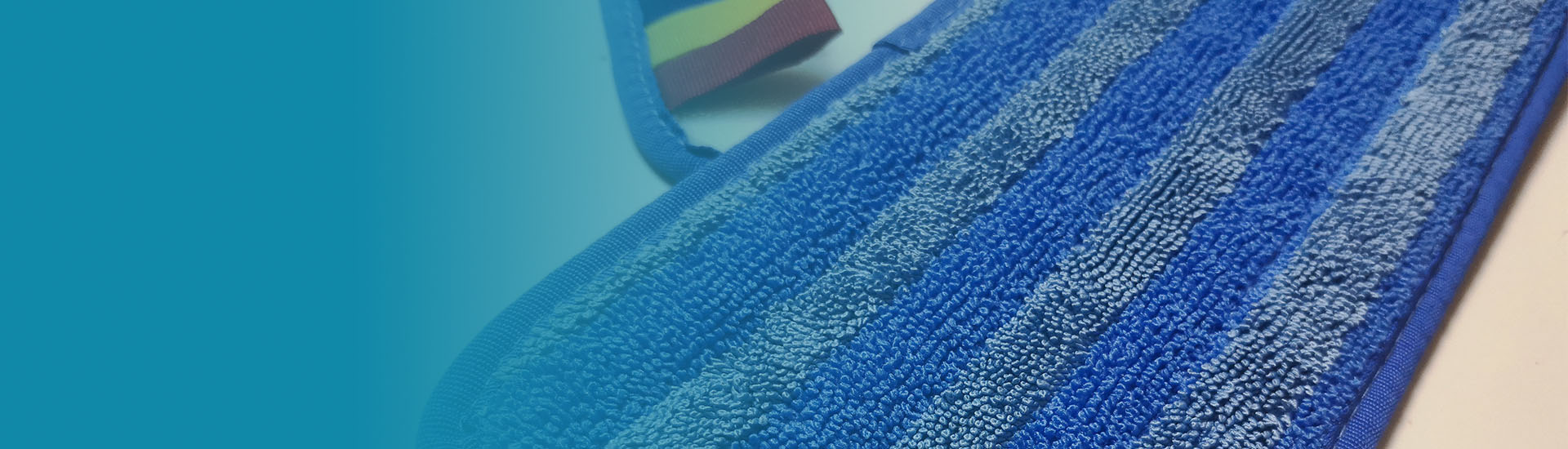
Benefiting from large specific surface area and numerous micro‑pores, microfiber fabrics possess powerful cleaning capacity and fast dirt‑removal performance. They are widely applied in precision machinery, optical instruments, microelectronics, household scenarios and many other fields.
4. Medical Dressings
Electrospun microfiber non‑woven fabrics can be processed into films for skin care and wound treatment (as a substitute for conventional gauze). The material boasts good permeability and strong adsorption capacity, which accelerates blood coagulation at wounds and prevents excessive blood loss. For bone injury repair, it can serve as biodegradable scaffolds for osteochondral tissues. Light‑weight yet high‑strength, the non‑woven material degrades inside the human body after bone regeneration, eliminating the need for traditional secondary surgery.
5. Other Applications for Functional Microfiber
The most prominent feature of microfiber is its extremely low filament linear density, down to 0.0001 dtex. The dramatic reduction in filament linear density endows microfiber with distinctive properties different from conventional fibers: silk‑like softness, smooth hand‑feel, gentle luster and low bending stiffness for easy flexing. Fabrics made thereof have fine soft surface fibers, favorable draping property and soft touch.
Owing to ultra‑fine fiber linear density, abundant voids form a microporous structure. Dense and numerous inner voids enable the fabrics to achieve super‑high density, light weight and favorable water‑proof moisture‑permeable performance. Fine and abundant internal voids together with plentiful surface naps grant fabrics excellent sweat‑wicking and moisture‑conducting performance, as well as good warmth retention and wear resistance.
Dense inter‑fiber voids generate capillary effect, delivering excellent water‑absorbing and oil‑absorbing properties, high cleaning and decontamination capacity, great covering power and superior garment shaping effect. With these exceptional properties, microfiber products find extensive applications in numerous industries.